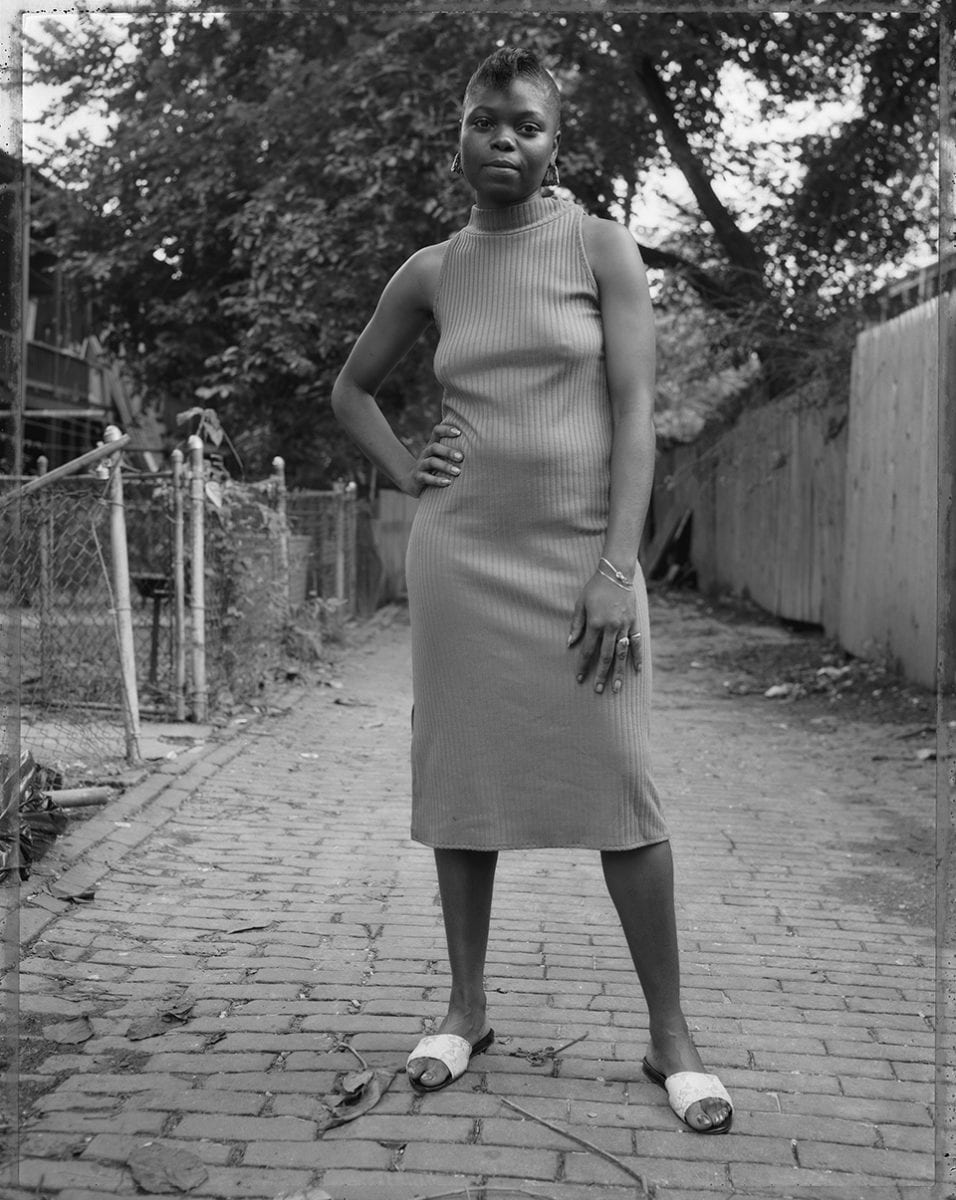
Portraits reveal many truths about the human condition 鈥� how we present ourselves to the world. Bey explores the dialogue between sitter and subject.
Dawoud Bey (b. 1953) is an International Center of Photography Infinity Award winner. He has received grants from The National Endowment for the Arts, the John Simon Guggenheim Memorial Foundation Fellowship and the MacArthur Fellowship (aka a 鈥済enius grant鈥�) and has exhibited at the George Eastman House, the Walker Art Center, the Detroit Institute of Arts, the Birmingham Museum of Art, the Addison Gallery of American Art, the Indianapolis Museum of Art and many more. You wouldn鈥檛 know any of this from his latest publication, On Photographing People and Communities, recently published by Aperture Foundation. Part of The Photography Workshop Series, the book is an extremely approachable and modest guide to shooting portraits, in which Bey adopts a friendly, informal tone. His notes are penned with honesty and vulnerability 鈥�
much like many of his sitters from over the years. Writing about one of the most famous shots, which depicts a young man in shades outside a cinema lobby, Bey remarks: 鈥淗e is stylin鈥� big time. He鈥檚 cool with his grape drink, his aviator sunglasses, his tracksuit and white sneakers.鈥�
Though approachable, Bey is also extremely thoughtful in his process and self-reflection 鈥� raising and discussing issues of representation and the 鈥渜uestion of outsiderness鈥� from the outset. He insists on the photographer鈥檚 responsibility to be informed 鈥� both about the people they鈥檙e working with, and also the history of image-making as a whole. The Photography Workshop Series is one of Aperture鈥檚 ongoing projects which has so far included books by Mary Ellen Mark on the portrait and the moment, Larry Fink on composition and improvisation, and Alex Webb & Rebecca Norris Webb on street photography 鈥渁nd the poetic image.鈥� Bey鈥檚 compelling contribution focuses on how portraits might represent both individuals and the communities they come from as part of a kind of dual exploration and cultural commentary.
鈥淒awoud was one of the first people I approached for the series; we鈥檝e been talking about this book since 2013,鈥� says Senior Editor Denise Wolff. 鈥淚t鈥檚 just taken time to find room with his career in full swing. At some point about a year ago, we decided that it was unlikely things were going to get less busy for him, so we just went for it. The series generally works with photographers who have taught in some way, and Dawoud has been a beloved Professor of Art at Columbia College Chicago for 22 years. We鈥檙e bringing his teaching to a wider, global audience.鈥�
Born in Queens, New York, Bey got into photography when he was 15, after inheriting his godfather鈥檚 camera. It was a small gesture 鈥� but one which wasn鈥檛 taken lightly by any means. He started taking a class and reading a variety of books and magazines, educating himself about 鈥渨hat one does with all the numbers on the lens and the side of the camera.鈥� He states wryly, 鈥淚t turns out that as you change the shutter speed from 1/30th to 1/250th, the shutter opens and closes either quicker or slower. That鈥檚 how I started.鈥� Part of this self-education included visiting a limited number of galleries in New York that showed photography at the time, found via the listings in The New York Times. Going to these exhibitions was 鈥減retty intimidating,鈥� he admits, especially as he often had to go to them alone. 鈥淭here was no one in my neighbourhood I could ask: 鈥楬ey Tyrone, want to go to 57th Street and check out Richard Avedon?鈥欌�� he writes. 鈥淪o, this was a solitary process for me.鈥�
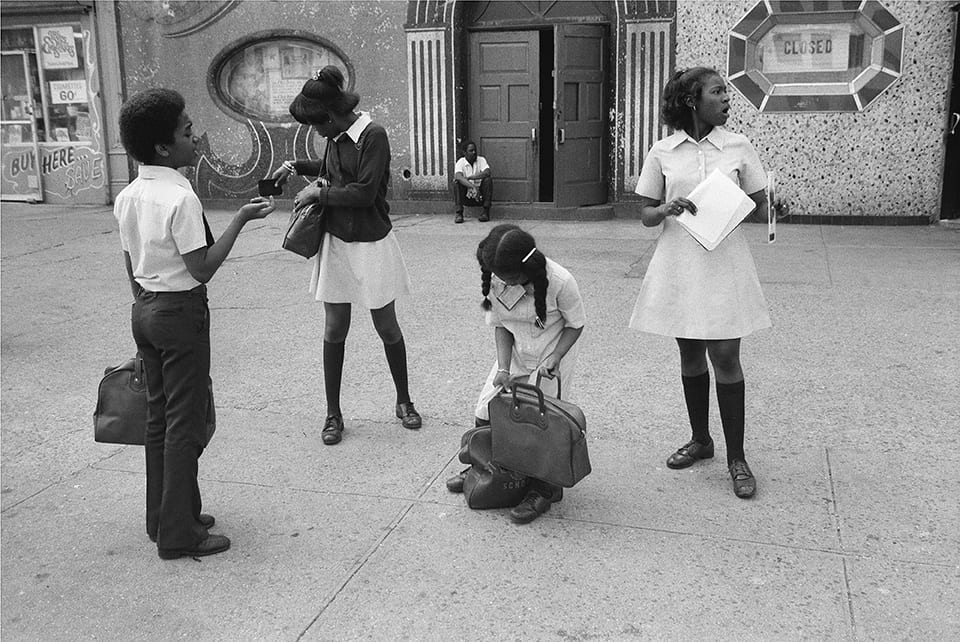
However, this process worked. Like many great portrait photographers, Bey says Avedon (1923-2004) was a key influence. This was, in no small part, because of his timeless inspirational quotations and advice: 鈥渢he surface is all you鈥檝e got.鈥� Through this small but necessary piece of direction, Bey realised that the way a person looks, or presents themself to the wider world, contains a bank of 鈥渞ich information.鈥� Visiting an exhibition of Irving Penn鈥檚 (1917-2009) Small Trades, Bey realised that this was also true when images are taken in the studio, away from their natural surroundings. Gathering more inspiration from image-makers such as Roy DeCarava (1919-2009) and James Van Der Zee (b. 1983), he started to see a way forward 鈥� taking portraits in Harlem, the place where both DeCarava and Van Der Zee had worked, and also the home of important 鈥渂lack socio-cultural production鈥� 鈥� harking back to the Harlem Renaissance, Marcus Garvey and James Baldwin.
鈥淚 wanted to make images that contributed to the long conversation about Harlem in visual culture,鈥� Bey writes. 鈥淚f you鈥檙e serious about learning your art form, it鈥檚 important to learn about the history of the subject you want to speak to. Because there鈥檚 a long table full of people who have done significant things, and then you come along and there鈥檚 an empty seat. But you gotta have something to say. You don鈥檛 want to repeat what has been said and you also don鈥檛 want to say something completely out of sync. You have to share a language even if you don鈥檛 share an intention.鈥�
Bey has family connections with Harlem but it鈥檚 not where he鈥檚 from, something which 鈥渨eighed on his mind鈥� when he started documenting the place. Bruce Davidson (b. 1933) and Aaron Siskind (1903-1991) were both individuals on the periphery 鈥� who worked in Harlem. In fact, given that they were white and not from the community, they were 鈥渄ouble outsiders,鈥� he says. But he adds: 鈥淲hilst I may have been African American, I was still an outsider. I was a photographer from Queens attempting to represent their community.鈥� His solution was not to abandon the project but to try to think through these differences, these 鈥渋nherent challenges,鈥� and directly engage with them.
鈥淚 try to address questions like: 鈥榠s it possible to transcend the boundaries of difference and make a meaningful representation of a subject?鈥欌�� he writes. 鈥淒oes one have to be 25 years old and black to speak credibly to the experience of someone who is 25 and black? Does one have to be gay and white in order to speak legitimately about that experience? Is it possible to make it work with some common denominator that transcends lines of difference?鈥�
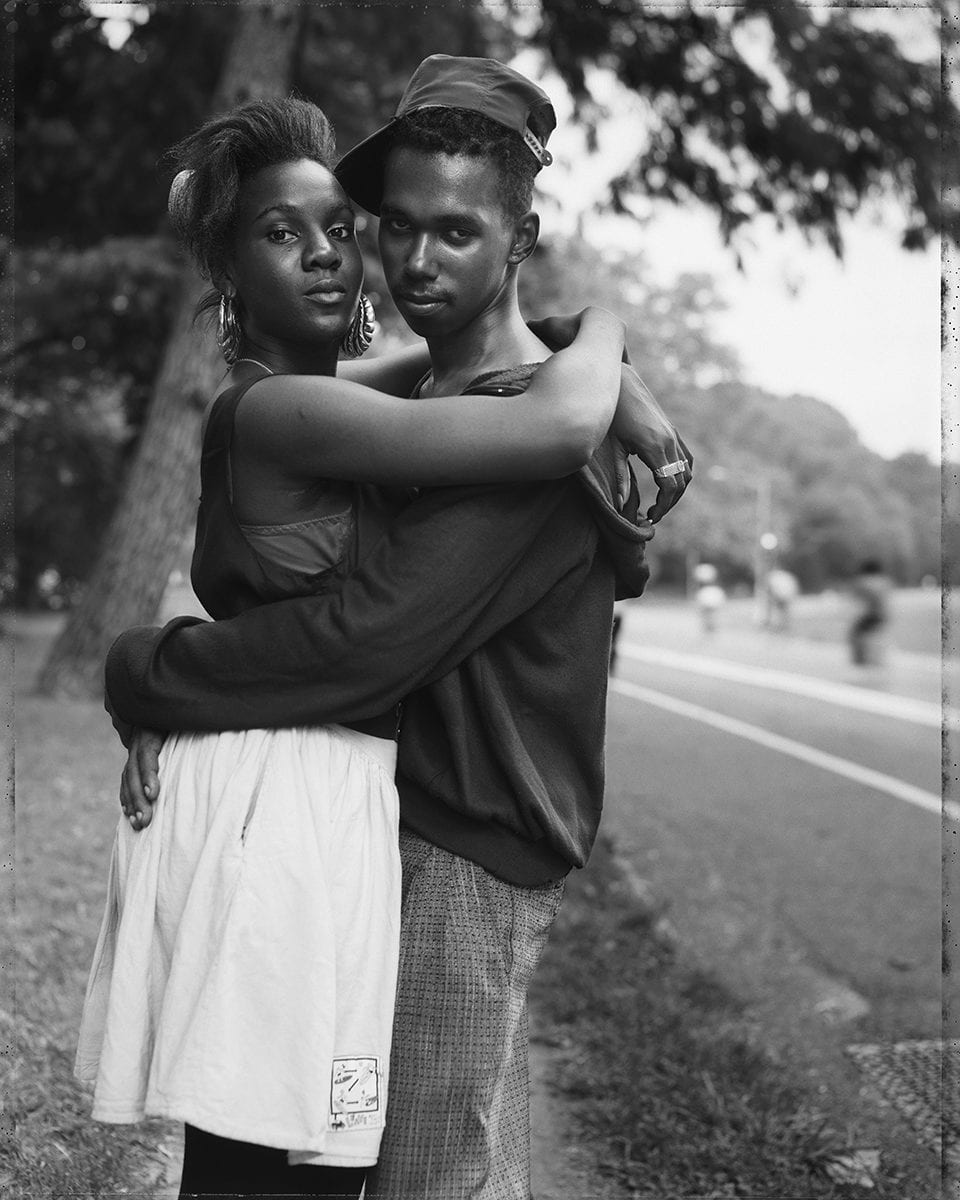
Aperture鈥檚 Editor Denise Wolff expands: 鈥淒awoud has spent his entire career and practice thinking about transcending difference. Therefore, he can speak deeply, thoughtfully and authoritatively on the subject.鈥� Refreshingly, Bey doesn鈥檛 just talk in general or philosophical terms about photography 鈥� he also elaborates on the nuts and bolts of putting projects together, thinking about the technical and physical qualities of a shoot. For instance, there鈥檚 a famous piece which shows a young couple embracing beside a tree. Though seemingly spontaneous, there was a strong sense of craft and building that went into the composition. Bey writes that 鈥淚 was already set up and waiting for someone to come by鈥� 鈥� having spotted a nice framing backdrop. From there, he gave the subjects space to be themselves on the grounds that 鈥渋f the pose comes from the subject, it will ring truer than anything I could direct.鈥� He then carefully picked out the best way to construct the photograph, making sure it ended below the woman鈥檚 skirt but above the couples鈥� heads. He also waited, laboriously, for three cyclists to go past, just in order to fill up some of the empty space.
鈥淚鈥檓 looking at the couple, but I鈥檓 also waiting for the bicycles to come into the frame,鈥� he writes. 鈥淚t鈥檚 funny because I can鈥檛 tell them, 鈥楬ey, just hold it because I鈥檓 waiting for something to fill in that space.鈥� I鈥檓 just hoping the bikes go by soon. It鈥檚 all about being responsive to the shape of the things in front of you. You don鈥檛 want to disrupt the form of the content. You have to be able to see deeply.鈥�
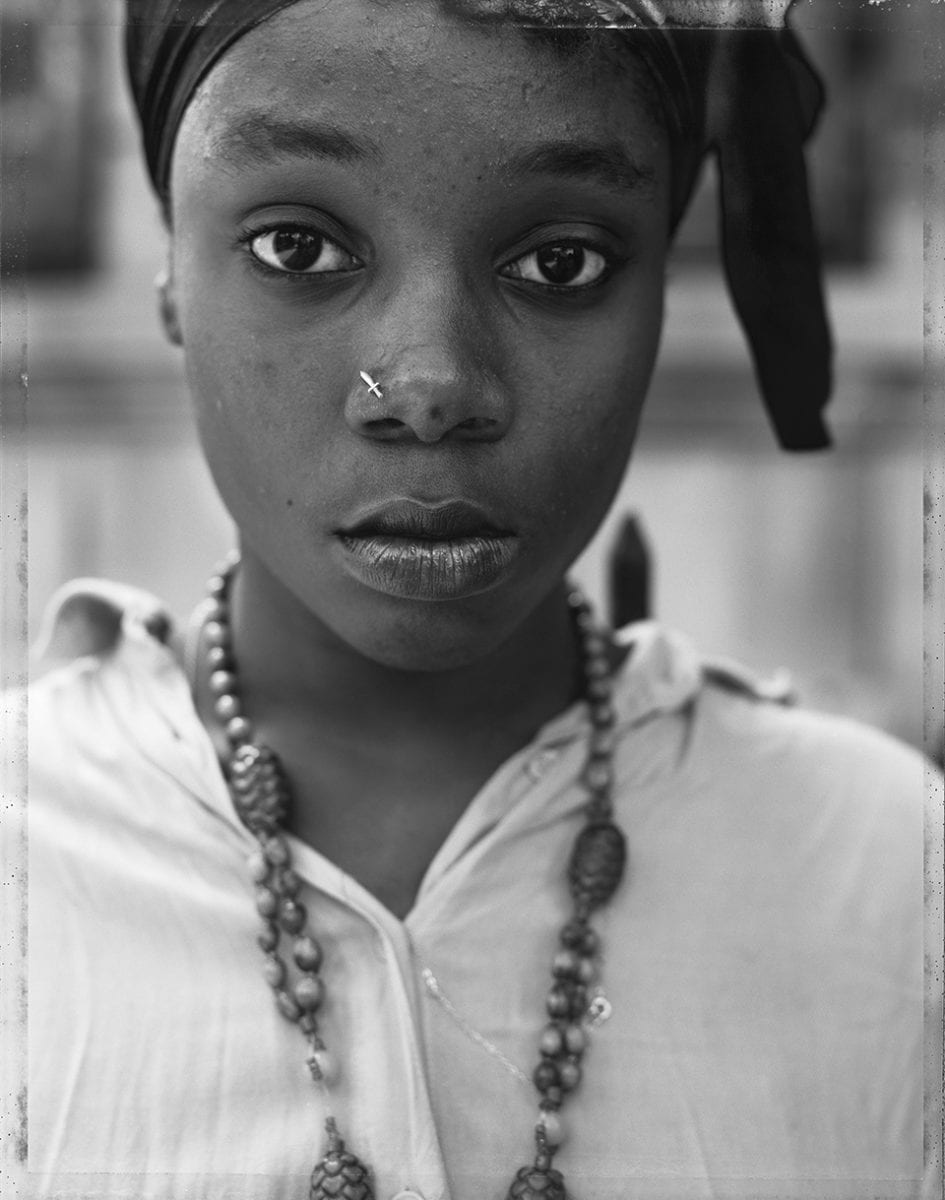
Seeing intently also means picking up on the smaller and more nuanced details that might evade most people 鈥� the knife stud in a young girl鈥檚 nose, for example. As Bey cheerfully admits, sometimes capturing those elements is about choosing the right camera too, as when he swapped the 35mm 鈥� that he used for the Harlem work 鈥� to 4×5 large format. 鈥淎t that point, I didn鈥檛 know that certain types of cameras are used to make different types of pictures,鈥� he writes. 鈥淚 was working in a slow, deliberate way with a handheld that was better suited to quick, unobtrusive shots.鈥�
Not only does the larger lens pick out all the details clearly, it also changes the relationship between the subject and the artist, making the images more collaborative. Large format equipment has to be set up on a tripod, meaning the photographer has to tell their subject where to stand; but, as they have more time to compose themselves, those subjects also 鈥渉ave more ownership of the space.鈥� For Bey, that gave a way to address the hierarchy between photographer and the subject, addressing some of its inherent tensions.
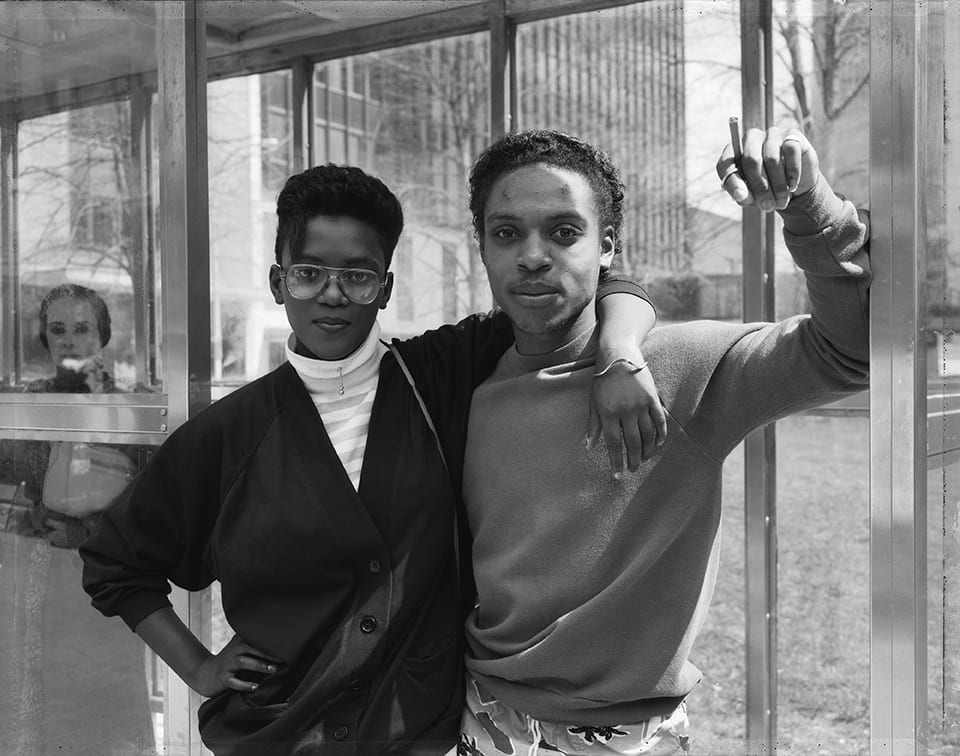
However, image-making isn鈥檛 just about the individual shots, it鈥檚 also about the connection between the photographs, and the way they build 鈥渁 more extended statement鈥� about what it means to sit alongside one another. They construct a visual narrative that weaves and bends. In fact, in the Strangers/Community project he paired up two individuals who didn鈥檛 know each other. These sitters 鈥渇orm a new community momentarily in front of the camera,鈥� he says, adding that one person often ended up mimicking the other鈥檚 pose, offering 鈥渁 way of silently bonding with another human being.鈥� It鈥檚 a warm note 鈥� an insistence on shared commonalities that perhaps runs through all of Bey鈥檚 work. It also runs through his practical advice to readers, to look beyond and collaborate. He writes: 鈥淪o much of my career has been made possible through relationships spanning many years, ones which I applauded the work of others as they applauded mine. It can be this way for you as well. Take the opportunity to encourage one another. Embrace it. There is room for more than one person at the table.鈥�
In our fractured political times, this sense of community is absolutely worth holding onto and valuing for all it鈥檚 worth. It is something to cherish in our rapidly expanding visual culture. As Bey writes: 鈥淛ust make work that you believe matters and that has the capacity to transform the viewer. Having seen your work, audiences have the potential to go back out into the world with new information, and new perceptions 鈥� a transformed world view. This may sound like an overly ambitious agenda, but it is the only agenda.鈥�
Diane Smyth