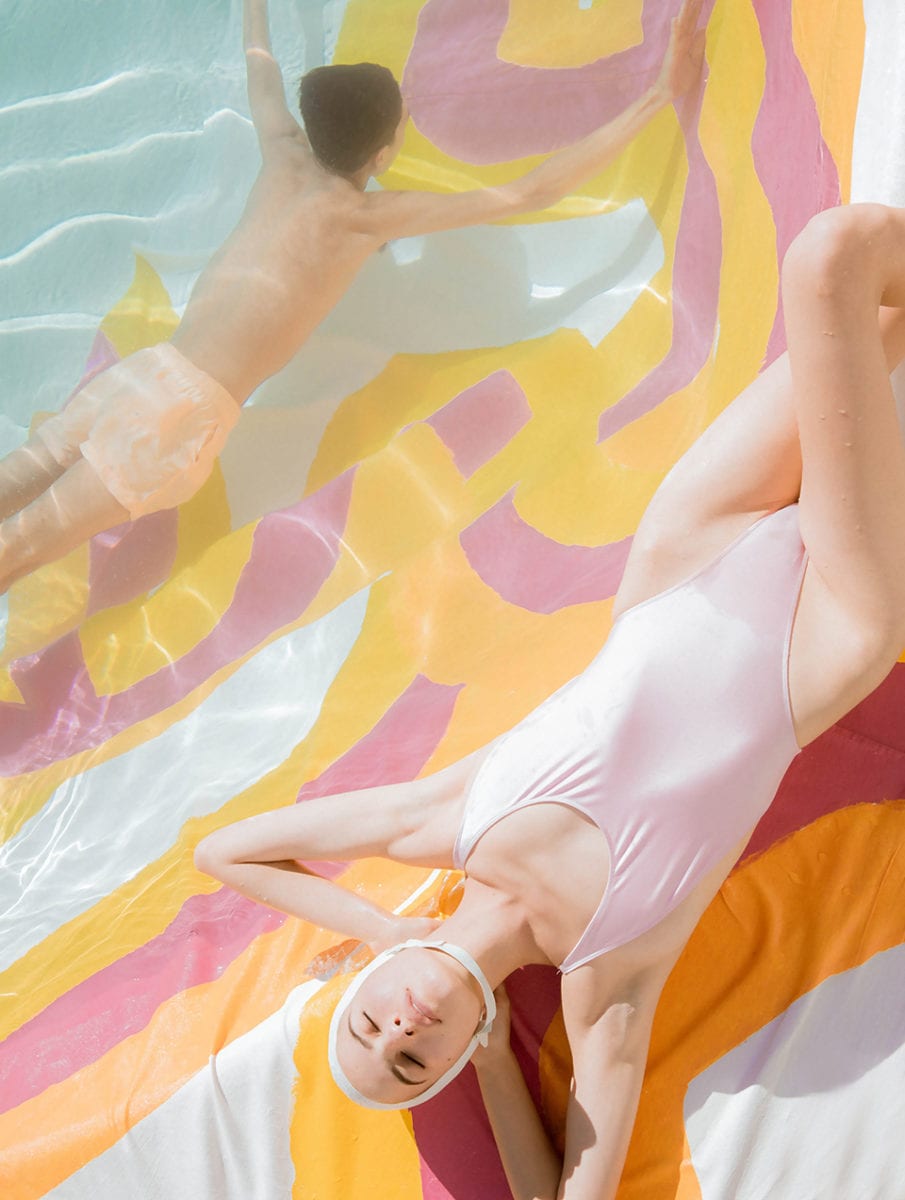
The Los Angeles-based Director, photographer and designer returns with a new publication of colourful and palpable images from effervescent worlds.
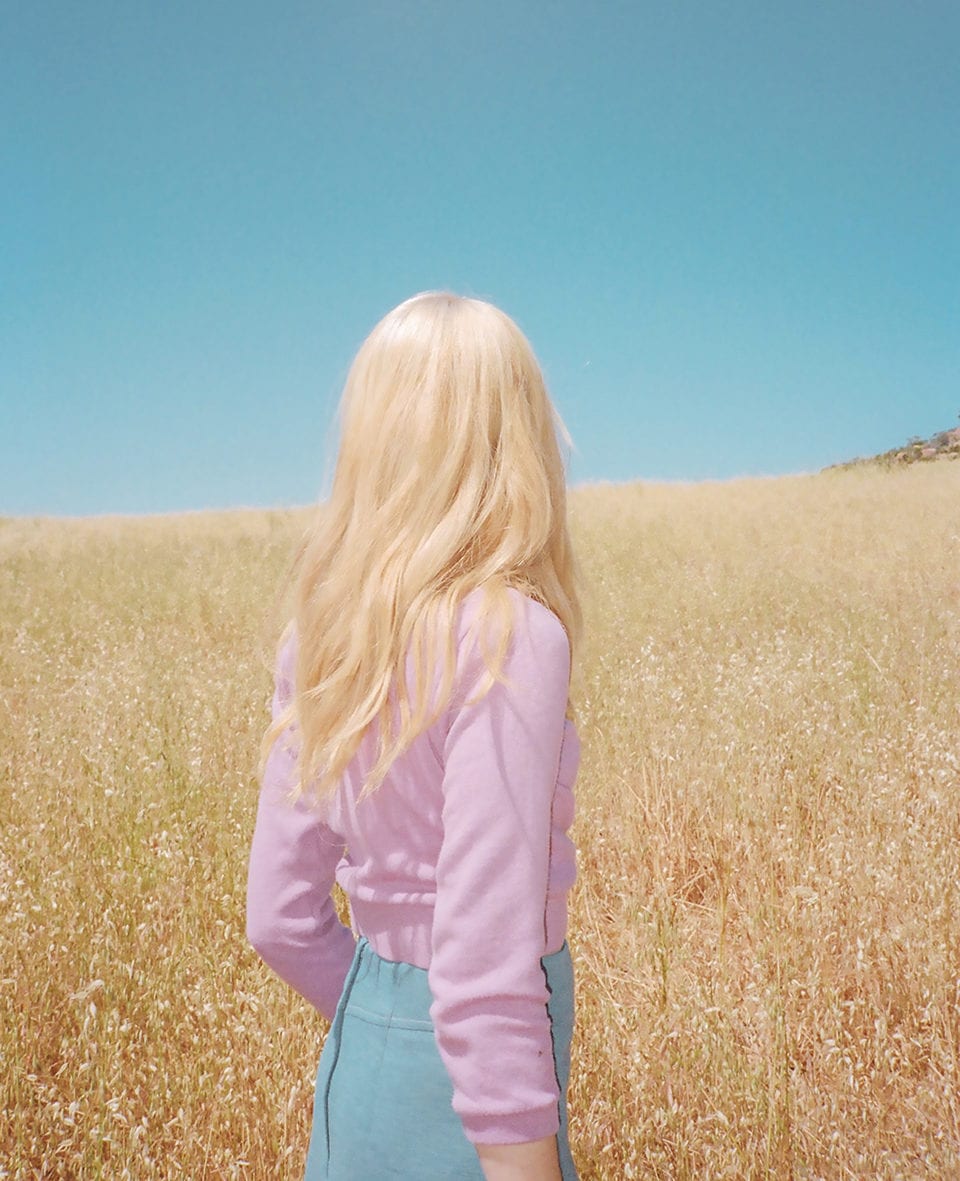
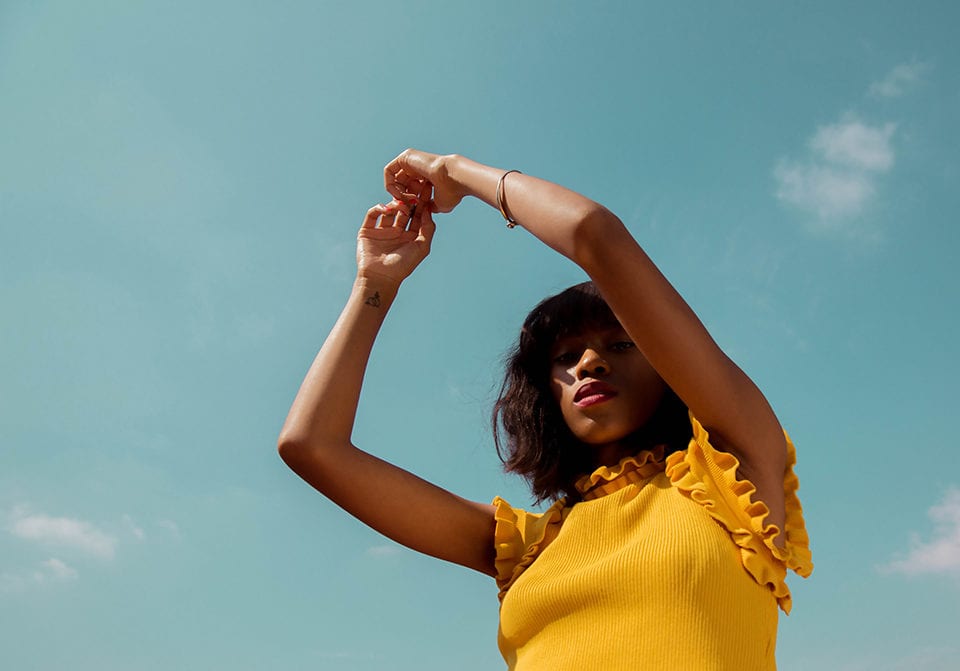
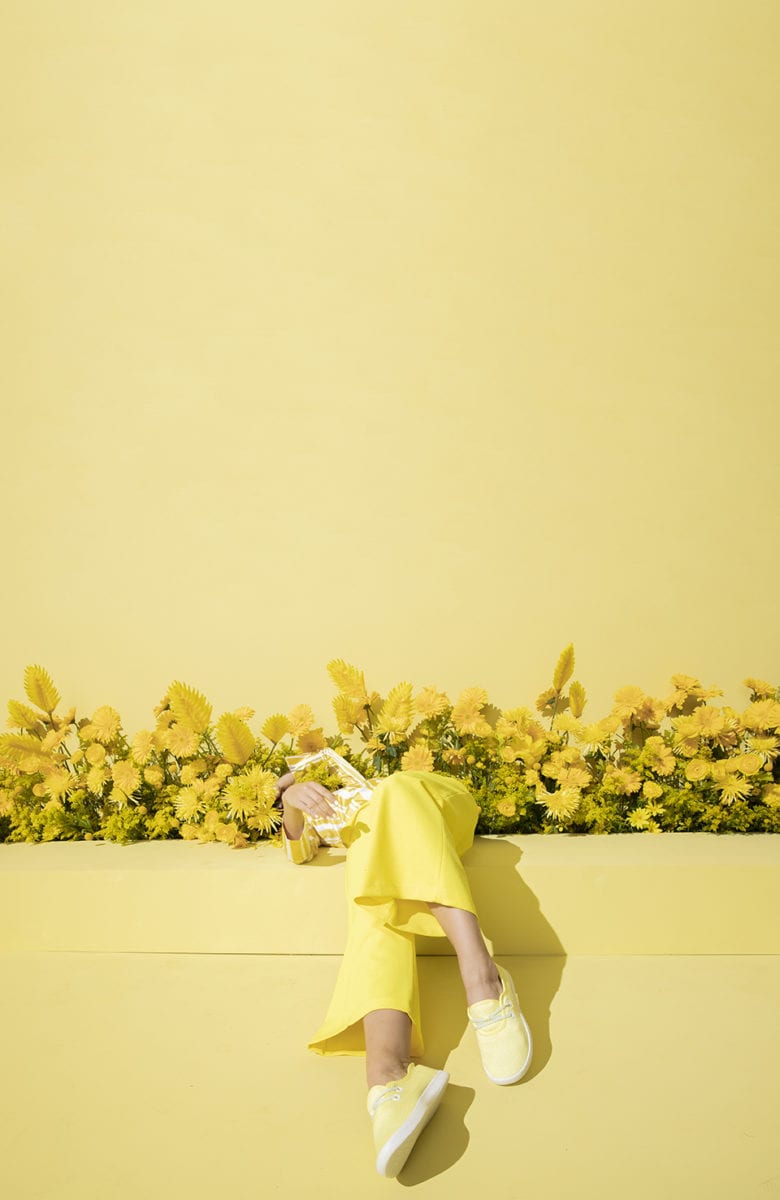
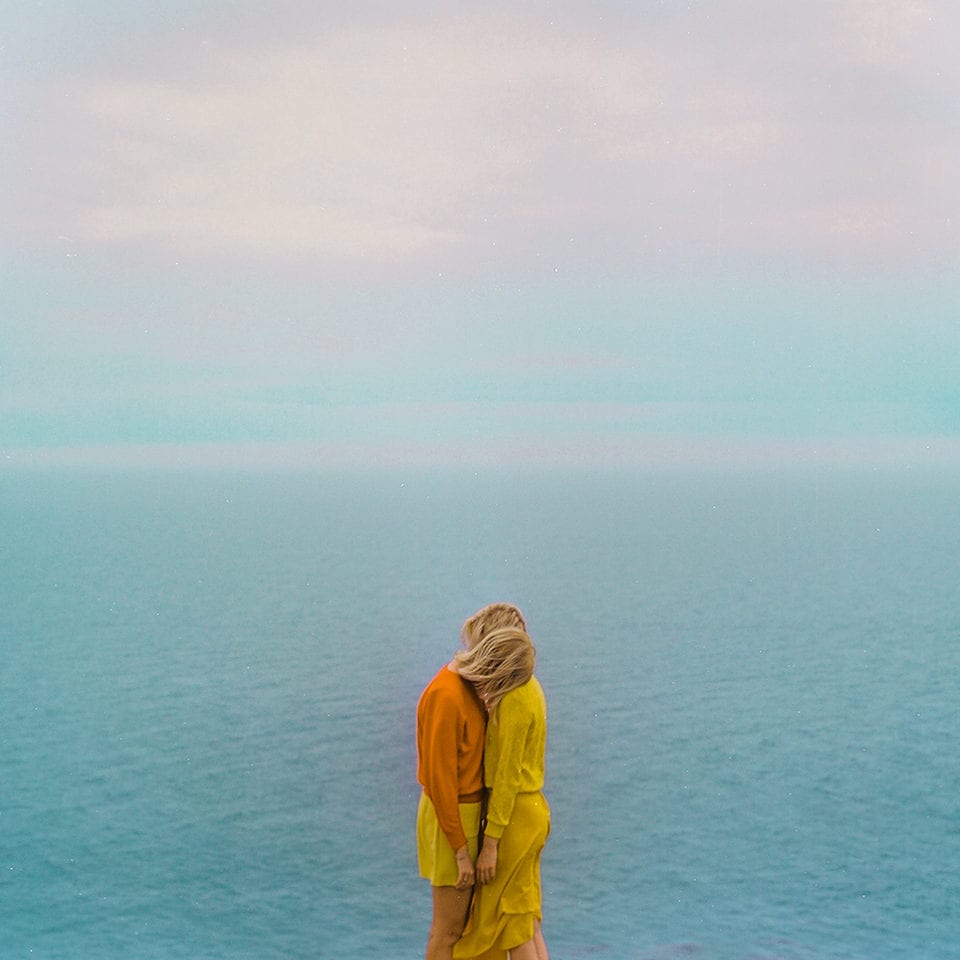
Jimmy Marble (b. 1985) is a Los Angeles-based photographer, director and designer who has been widely recognised for creating vivid and tactile images that exist within colourful worlds. Boasting a range of high-profile clients that include Nike, Android, HP, Time Magazine, Apple, TK Maxx and Jack Daniels, Marble has built a portfolio that is infectiously energetic, inviting viewers to imagine and share in the possibilities of dynamic landscapes. The images explode with potential; both photographic and video works adhere to an enthusiasm for hand-crafted sets and characters without inhibition.
Dream Baby Dream, Marble鈥檚 new photobook published by Chronicle Books, is the culmination of five years鈥� work. It spans from 2013 to 2018, from iPhone to camera, from emerging to established. It is a testament to a playful disposition and the organic progression of experimentation and intuition into an acclaimed photographic career.
A: You note that your first camera was an iPhone 3 鈥� how do you think the creation and circulation of smartphones has changed the perception of photography. How has it helped to redefine the medium as inclusive and accessible? How did it help you to kick-start your career?
JM: 鈥淩eal鈥� cameras intimidated me when I was young. I had too much pride to ask how they worked, and I was kind of ashamed that my brain couldn鈥檛 remember what an F-Stop was, or what shutter speed did. I couldn鈥檛 focus things properly. Meanwhile, the iPhone 3 was as easy as you could get in terms of pointing and shooting. You could see the picture already. You just had to hit the button. At first, I was just taking images to help me remember things: cool graffiti on a building, or a passing moment that made me laugh. I was already making short films and music videos, so it wasn鈥檛 like visuals were outside of my everyday practice. Then all of a sudden, one of my short films went viral, and blogs that I鈥檇 always read and enjoyed were starting to pay attention to me. The power of the internet made sense to me. This all happened about a year into me having and using Instagram regularly. I said to myself that I only needed to post interesting photos. I never really thought about taking beautiful images, but almost instantaneously, I was trying to look for them. Even when I used a high specification camera, if I felt I couldn鈥檛 pinpoint what I was looking for, I鈥檇 bring out my iPhone again to find the perfect composition 鈥� willing it into existence.
A: How did this spontaneous creative process grow into something much larger-scale, with elaborate planned set designs and bigger compositions / ideas?
JM: Los Angeles was the set for much of my early photography. It鈥檚 a beautiful city, and it has an amazing quality of light almost every single day. My friends would be laying by the pool, and it was easy to take a photo that looked good. But I was still focused on directing, and in 2013 I got to a point where I started pitching ideas for music videos. Everyone hated my ideas, and no one said yes. I had all these fun concepts, and I was enjoying photography, so I just started translating the ideas into images on my own. I posted them onto Instagram. Before I knew it, I had an agent and I had jobs booked in. I didn鈥檛 even own a camera yet. It was wild.
A: What principles did you take away from your early days working on camera phones to today working with more conventional camera equipment?
JM: I think that the iPhone helped me to get over my fears about photography. I finally picked up a 鈥渂ig鈥� camera and realised it was basically just about twisting buttons until it looked right. Not exactly rocket science. That kept everything feeling relaxed 鈥� regardless of the scale or prestige of the project. At this same time, I was shooting a 鈥渂ehind the scenes鈥� video for Flaunt Magazine, which put me on a number of photo sets with very established, famous photographers. So, I was this kid 鈥� who had never even really assisted on a set 鈥� getting to be a fly on the wall, watching these experts work. I learned a lot about creative process, as well as how to collaborate with a client, and how to run a set by first-hand experience. It was invaluable. Now, I mostly use a Canon 5d and Contax G2. My iPhone is just for fun.
A: Your images have an incredibly recognisable aesthetic, with bold poppy colours, sun-soaked landscapes, coordinated textures and, sometimes, brightly painted set designs. Where do you get your ideas from? Who, or what, are you most influenced by on a daily basis?
JM: I鈥檓 influenced by the past a lot. I love looking at historic photographers and outmoded styles to gain inspiration. I studied art history in college, and so I love drawing from old paintings. I also write a lot and am constantly trying to articulate in my notebooks what I think is cool, or what I want to accomplish with my life. These notes reinstate why I want to still be making stuff and remind me of what’s important 鈥� repurposing memories and ideas as a tapestry. In terms of artists, I never get tired of John Rawlings, Man Ray, Viviane Sassen, Harley Weir, Erwin Blumenfeld and William Klein.
A: Platforms like Instagram have helped to foster a new digital generation of artists 鈥� sharing, developing and commenting on work as part of an online community. How does your practice fit within this network?
JM: I can only speak from my experience 鈥� the digital age from my era of working 鈥� but knowing how to self-distribute content on the internet is just as important as knowing how to make the stuff. So, my pieces fit pretty square within that parameter. I basically discovered photography and had a career within the span of a year by following this principle. I don鈥檛 think that kind of speed could happen in the same way without Instagram 鈥� not without a massive amount of luck. It still took a lot of luck even in this age of digital sharing.
A: What, in your view, are the most important elements to consider when taking a photograph? How would you define a successful image? Are you looking for a certain sense of meaning in the composition?
JM: I like images that feel as though they鈥檙e a snapshot, or an accident 鈥� like it鈥檚 a moment that could never be duplicated. Even in a highly constructed scenario, it鈥檚 the moments that are in between that I always pull during my selects. I’m reminded of the famous photo taken by astronauts 鈥� the earth rising over the moon. It’s close to perfect in my books. Even though that鈥檚 a pretty extreme example, you can feel how fleeting, perfect and once-in-a-lifetime it was. I think that鈥檚 one reason I started moving away from shooting in the studio recently 鈥� because you can really duplicate sets pretty easily. There are places in this world that are hard to find, hard to get to and that are unique in beauty. To be able to shoot that particular photograph is wonderful.
A: Your work draws a line between commissions, for the likes of Time, NY Times and TK Maxx, as well as personal series. How do you balance interpreting a creative brief whilst maintaining a sense of individuality?
JM: I trust my creative process a lot. I am who I am, and my photos are going to look like I took them, much in the same way that my handwriting is always going to look the same. I get excited when I hold a camera and have something interesting happening in front of me. There鈥檚 always that chance it鈥檚 going to be the best photo I鈥檒l ever take.
Everyone has a different idea of how any given job is going to go. Sometimes I come in and the image is already sketched out in pretty good detail, and what I’m bringing to the table is more direction on styling, props and casting, as well as finding and capturing certain emotions from the model. Other times, people just tell me to do my thing. Most often, the client is physically there on set telling me whether I’m doing a good or bad job. I think that this type of dynamic bothers a lot of artists, but I usually only take jobs with people I trust. I genuinely love the collaboration. In many ways, I feel as through there are two sides to my personality: the artist who needs to be making work that’s expressive and personal to stay happy and healthy, and then there’s the photographer who needs to pay for rent and dinner for my kids. I have to respect both versions. They’re both super important to maintaining a sense of equilibrium. I work closely with the creatives from the brand, magazine or agency to make sure we’re finding the right idea and making it the best it can possibly be. Every shoot I walk away feeling 100000% like I just got the best images I’ve ever taken in my life.
A: This book charts five years of your work, from when you started in 2013 to when you started compiling the publication in 2018. What journey do you feel the images take 鈥� and what decisions did you make in terms of their layout, either thematically or chronologically?
JM: For one, hopefully the photos have become stronger over the years. I moved to LA to be an artist 10 years ago, and my number one goal was to be prolific. I figured that if I just made a ton of stuff, I鈥檇 luck out eventually and some of it would be good. When I look through Dream Baby Dream, the cohesion really stands out. I do try hard to experiment with new ideas and to break with my instincts to see what pushing boundaries and concepts might look like. The book鈥檚 laid out sort of thematically but super loosely. It鈥檚 a little stream of conscious, and it鈥檚 full of written memories, too.
A: Dream Baby Dream is released 1 October. What do you have planned for the rest of 2019 and beyond?
JM: There鈥檚 so much to do. This book is part of the first wave, and hopefully there are many more instalments to come. I don鈥檛 believe in finish lines, or working towards an ultimate goal 鈥� anything like that. Like Sister Corita told us: 鈥淭he only rule is work.鈥� So more work will always come.
A: What advice would you give aspiring photographers?
JM: Be as prolific as you possibly can; that’s the most important thing. Work harder than anyone you’ve ever met.
Kate Simpson
Dream Baby Dream is published by Chronicle Chroma.