

In the 1950s, German philosopher Ernst Bloch (b. 1885) identified the nature of utopian impulses, revealing their prominence in art, literature, religion and wider cultural expression. Exhibitions open this summer investigate these ideals, revealing how these visions of the future can be applied 鈥� and deconstructed 鈥� within urban and rural environments.
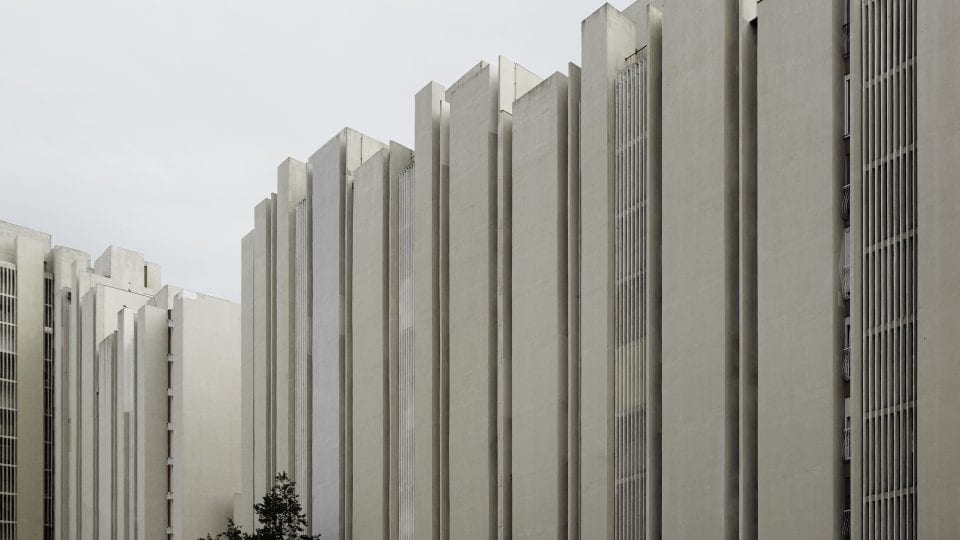
For example, , at MoMA, New York, (from 15 July) is the first international exhibition to celebrate the architecture of the former Yugoslavia between 1948-1960. Following its separation from the Soviet bloc soon after WW2, the state underwent a period of rapid urbanisation that would reflect its values. This resulted in Bloch鈥檚 concept of a 鈥溾�檆oncrete utopia鈥�: a hopeful, future-oriented emancipatory process in the perpetual state of emergency.鈥� 聽The show approaches the country鈥檚 architecture as a manifestation of idealism. As Curators Martino Stierli and Vladimir Kuli膰 note, the implementation of modernist, heterogeneous buildings reflected the federalist system and a multi-ethnic society, positioning the state as 鈥渢he only socialist country in Europe where modernist architecture was practised throughout and practically without interruption.鈥�
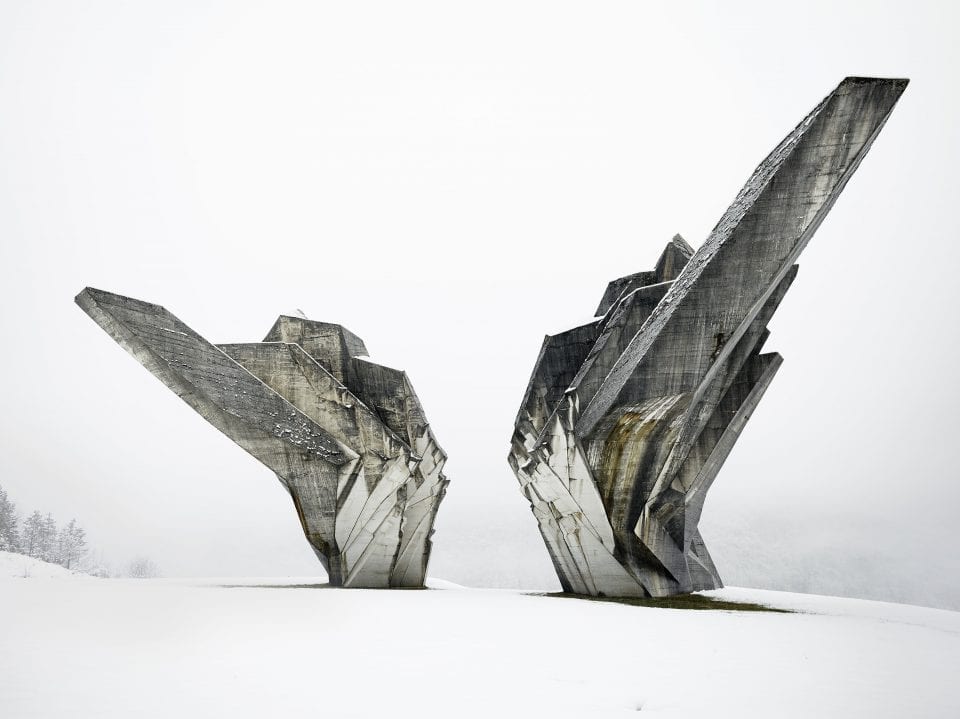
Exposed concrete was frequently used to rebuild post-war Europe but, for Yugoslav architects, concrete offered the opportunity to, in part, seek 鈥渆mancipation [鈥 from class oppression and ethnic rivalries鈥�. The idealism of concrete is embodied in the Yugoslav spomeniks. Though many of these monuments have been demolished or fallen into disrepair, they stand as crucial indicators of the dangers of fascism. The exhibition raises awareness and appreciation for this type of construction, especially in today鈥檚 turbulent socio-political climate.
In a similar way, 2017 Taylor Wessing photographic Portrait Prize nominee Catherine Hyland鈥檚 images, on display at聽Twenty One and curated by聽, Southend-on-Sea, (until 28 October) revive Essex鈥檚 modernist buildings. Reflecting upon the position of the structures within the county鈥檚 social and urban landscape, the images look to the buildings as a cipher for identity, investigating how they have become embedded into the consciousness of surrounding communities. Displayed alongside images of brightly coloured seaside resorts, the works highlight a sense of timelessnesss, asserting a sense of shared culture whilst reinvigorating iconic Brutalist forms.
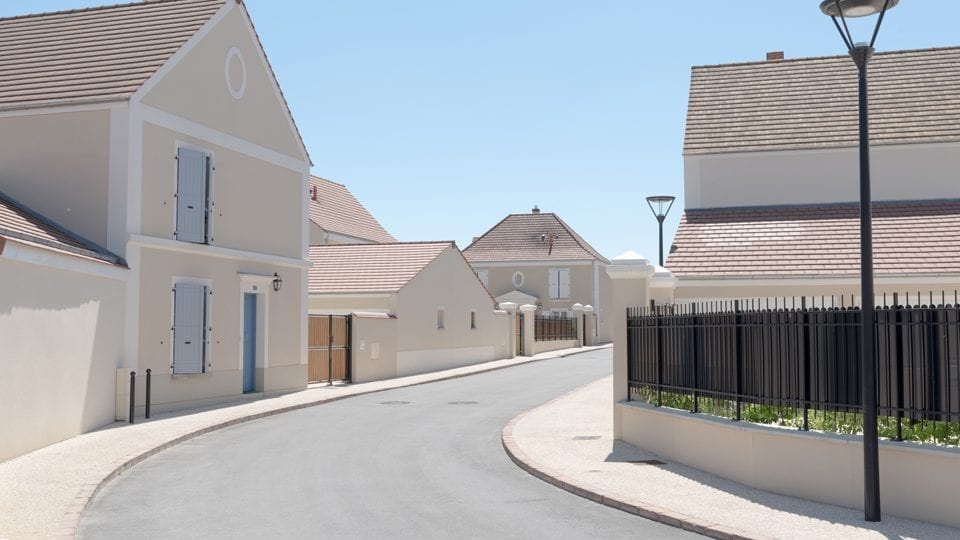
However, incorporating collective ideas into the landscape is not always effective, an idea that Victor Micoud (b.1987) unpicks in La Cit茅 Id茅ale. The series, which is featured in the [link], navigates Marne-la-Vall茅e, the new purpose-built residential town on the outskirts of Disneyland Paris. At first glance, the images seem to depict picture-perfect suburbia, the backdrop of a film in which magic exists. Once this subsides, however, the blackened chimneys, omnipresent security cameras and eerie silences are evident. The clean lines and pastel colours that adorn the housing would seem, in theory, to epitomise utopian ideas for a safe, sustainable future. Yet, at the edges of the housing estate, luscious grass turns to mud and rubble.
Capturing different modes of architecture through photography, these collections highlight the impact of urbanisation, revealing how political and cultural ideas can be applied to the built environment, occupying the spaces between abstract and tangible worlds.
Credits:
1. University of Essex, Colchester, 2016 漏 Catherine Hyland, Courtesy of Focal Point Gallery
2.聽Dinko Kova膷i膰 and Mihajlo Zori膰. Bra膰e Borozan building block in Split 3. 1970鈥�79. Split, Croatia. Exterior view. Photo: Valentin Jeck, commissioned by the Museum of Modern Art, 2016
3.聽Miodrag 沤ivkovi膰 and 膼or膽e Zlokovi膰. Monument to the Battle of the Sutjeska. 1965鈥�71, Tjenti拧te, Bosnia and Herzegovina. Photo: Valentin Jeck, commissioned by The Museum of Modern Art, 2016.
4.聽聽Victor Micoud, from the series聽la cit茅 id茅ale, courtesy of the artist.


