The legendary agency 鈥� known for its photojournalism 鈥� is breaking the boundaries of genre, taking fashion out of the studio and into the real world.
Their eyes have seen some of the bloodiest, most gut-wrenching conflicts 鈥� pitting man against man and, armed with their cameras, they have recorded war as witnesses to history. But what happens when photojournalists turn the lens instead to fashion? The results can be surprisingly innovative, in an amalgam of various disciplines that is growing increasingly common. Magnum, the legendary photography agency that emerged in the wake of WWII out of joint efforts from Henri Cartier-Bresson, Robert Capa, George Rodger and David 鈥淐him鈥� Seymour, is best known for its documentary work. Its artists also have a long history of portraiture, editorials, as well as coverage of politics, news events, disasters 鈥� the list goes on. Through its younger generation, the agency is now making a concerted push for cross-disciplinary portfolios, with fashion at the forefront.
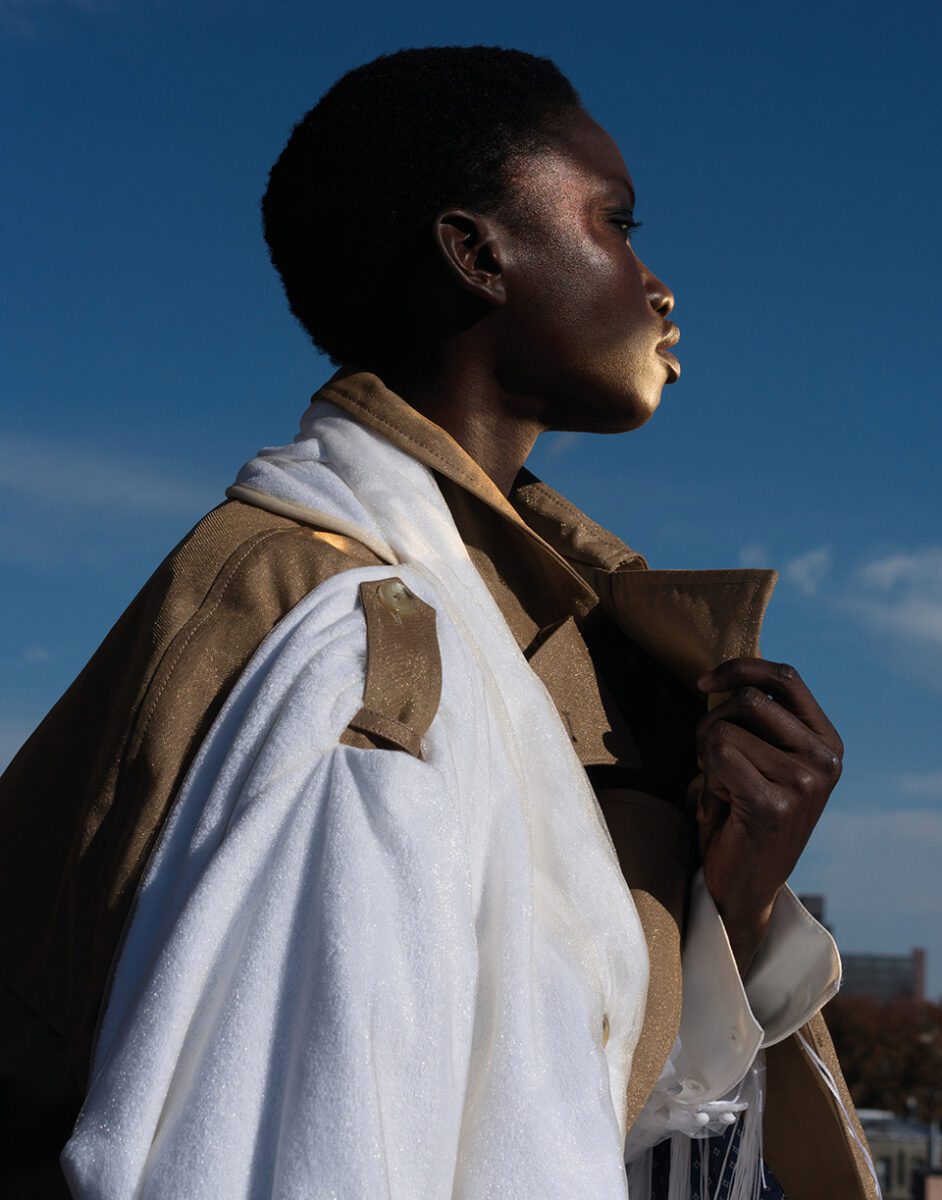
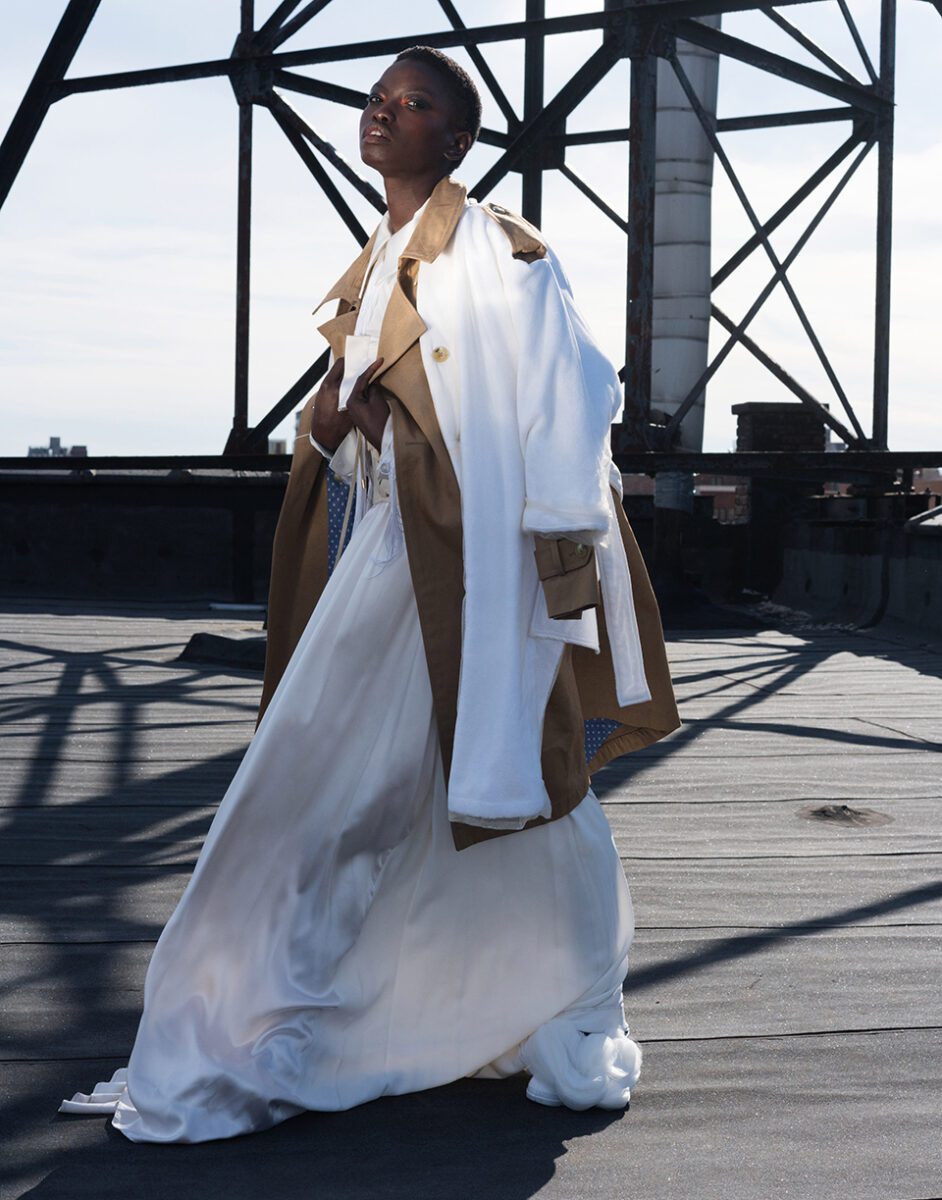
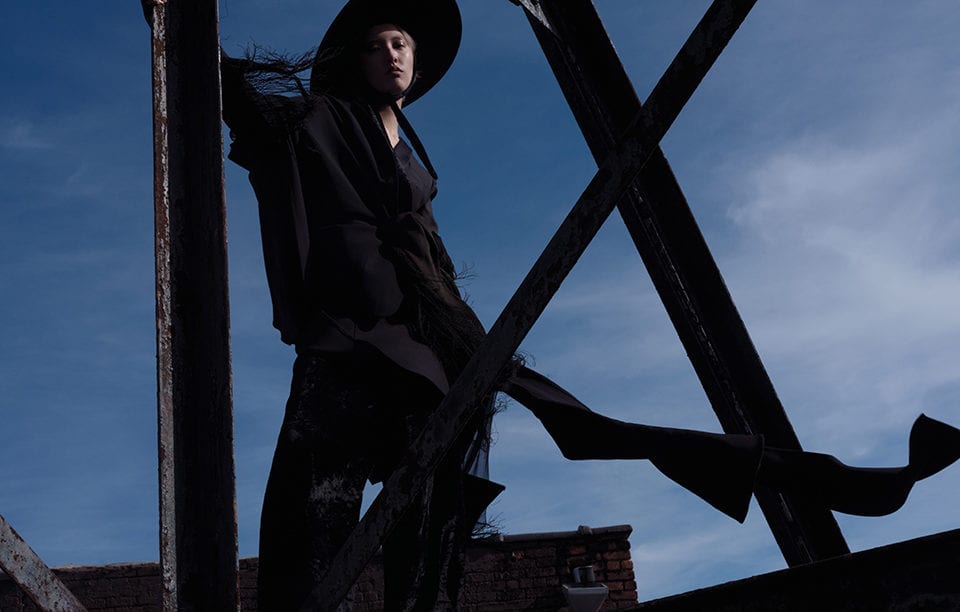
Fashion and war, what could be more dissonant? However, for a photographer, the fundamental concern of visually transcribing the world around us dictates image-making, regardless of the subject. Such examples can be found throughout history. For example Pieter Hugo 鈥� best-known for The Hyena & Other Men (2007) 鈥� collaborated with Italian luxury brand Bottega Veneta for a spring campaign in 2014. Indeed, Magnum鈥檚 history has also shown just how narrow the artificial divide between disciplines can be. Capa, who died after stepping on a land mine whilst covering the First Indochina War (1946-1954), is celebrated as the greatest combat photographer. Yet he also chronicled Christian Dior鈥檚 first collection worn in the streets of Paris and along the banks of the Seine in 1948, Spanish-American photographer Moises Saman (b. 1974) recently collaborated with Alex McWhirter for a fashion feature in the latter鈥檚 Public magazine. Whilst models were used for the shoot, they strike realistic poses and respond directly to the setting around them as they move about a rooftop in Brooklyn. Saman鈥檚 heavy use of natural light and the intricate shadows cast by rotund water towers and their steel armature adds a scenic, everyday quality to the pictures. 鈥淚n many ways my approach is exactly the same, and ultimately it is based in a narrative style. When the story is established, then I react to form, light and body language,鈥� he notes.
Sarah Mahini, Magnum Photos’ Agent for Brand and Advertising Assignments, explains that creative agencies are increasingly seeking 鈥渦nexpected鈥� practitioners for their campaign spreads, looking for fresh eyes. Editorials are taking new steps and looking for reinvention along the way. 鈥淲e are becoming an answer to current trends, which is searching for authenticity 鈥� for what鈥檚 real 鈥� and working less and less with models. Fashion photography is turning increasingly towards reporting, so Magnum is ultimately responding to this demand,鈥� adds Mahini, who, in turn, has a background in fashion. There are about a dozen of Magnum鈥檚 more recent crop currently delving into the field.
鈥淚t’s a different approach to image-making as a whole,鈥� Alex McWhirter says. 鈥淢oises would see elements in the environment that others wouldn鈥檛. He’s invested in structural and textural details that make an environment human, and, in doing so, he’s able to bring out the models鈥� persona within these wider parameters.鈥� Interspersed between pop-colour, highly saturated compositions are black-and-white renditions that reflect on the icons of a New York cityscape. Whilst in these examples, the tone may be more languid and muted than disquieting, Saman鈥檚 instinctive response to the subject recalls some of his techniques from depicting the wars in Iraq and Syria or the Arab Spring clashes.
Like photojournalism, fashion does carry with it an element of truth 鈥� of capturing something as it is, because it freezes a moment in time. 鈥淭he genre reflects the contemporary world around us. It can help us to interpret society and grasp cultural changes,鈥� says J茅r么me Sessini (b. 1968), who sees his forays into clothing collections as a means to experiment and challenge himself. He reportedly comments: 鈥淚 don鈥檛 like rigid categories. Sometimes there is art in journalism and vice versa. Conscience, heart, beauty, balance and loss are the essentials.鈥� Sessini has been published by a number of prestigious newspapers and magazines including Time, Stern and The Wall Street Journal. His eye-opening pictures have also led to exhibitions at the Visa Photo Festival in Perpignan, the Rencontres d鈥橝rles, the French National Library鈥檚 Fran莽ois-Mitterrand site and the French Ministry of Culture.
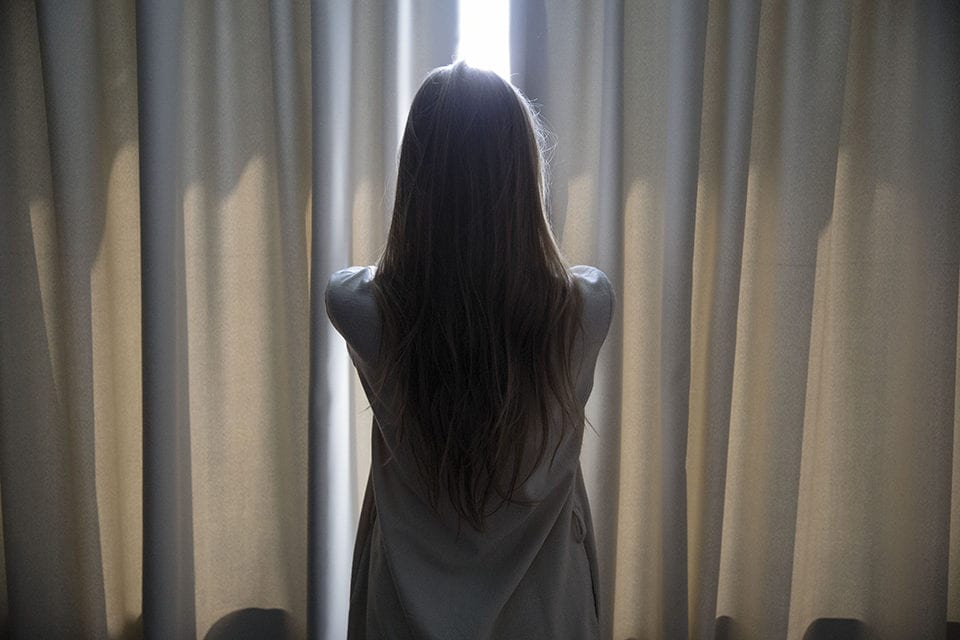
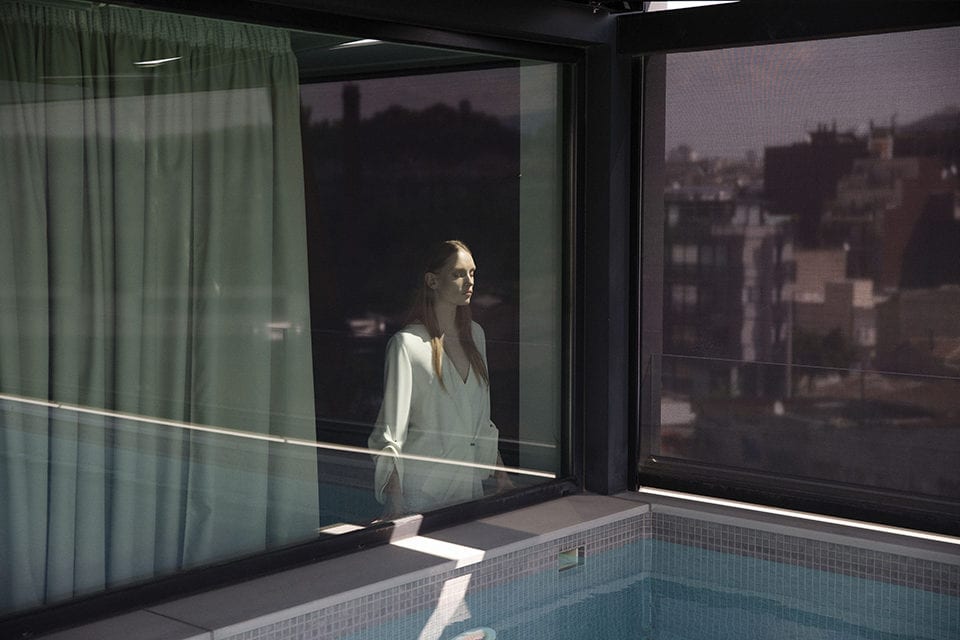
Sessini covered the Israeli-Palestinian and Ukranian conflicts as well as the war in Iraq. He was one of the first journalists to visit the crash site of Malaysia Airlines Flight MH17 and to document the opioid crisis in the United States. Informed by those experiences, his more stylised work is tinged with a healthy degree of cynicism. An editorial spread for Vogue Italia entitled Solitude, featuring Bianca O鈥橞rien and Paraskevas Boubourakas, shows them unable to communicate 鈥� facing silence and stillness as a result. Man and woman drift apart in a concrete and glass urban jungle, lost in a kind of solitude and loneliness very much current in these divisive times. They have only their own reflections as companions.
In another shoot also produced by Paris-based AM Studio, Sessini made deliberate use of 鈥渞eal people鈥� 鈥� such as a yoga instructor, skateboarder or student 鈥� to craft a story in a series of portraits of Athenians that bears the trademark intensity of his other work. The backdrops and gear appear clearly in some of the shots, becoming props with which the subjects interact on a roof in Athens. Viewers can almost feel the sunlight burning across their skin, the bustle of traffic below and the cries of birds circling in the air above. Amongst the actors Sessini turned to as well are Angeliki Papoulia, who has appeared in three of Yorgos Lanthimos鈥� films: Dogtooth (2009), Alps (2011) and The Lobster (2015). Wearing a black deconstructed jacket and stiffly pleated skirt that falls below the knee, Papoulia is seen standing precariously still, just like the stilted dialogue and histrionics of her Lanthimos stints, at one point almost leaning into the void on the edge of the rooftop. Fashion, Sessini tells us, 鈥渋s not necessarily superficial. It can serve as a means to develop a language, a way to communicate.鈥�
Indeed, fashion is about much more than just selling clothes 鈥� it has a narrative, freezing an epoch, a trend or a personality. As Coco Chanel once put it: “it has to do with ideas, the way we live, what is happening.鈥� Sessini’s images show the human condition as it is lived, rather than a superficial, idealised, more-than-perfect realm. There is a search for authenticity where the featured figures are no longer objectified. Instead, the subjects seem hyperreal as they evolve under neon city lights or a setting sun and, in Sessini鈥檚 case, in a neorealist cinematic narrative and setting. Moises Saman, too, is concerned with how new genres can be a gateway to an 鈥渋ntricate鈥� part of society 鈥� as a reflector, an expander of ideas. 鈥淚 am interested in the vast potential that fashion has as an influencer,鈥� he notes. Indeed, the works shown here depict some of the raw emotion found in his documentation of conflict. His secret? 鈥淛ust continuing to strive for honesty in the relationship between the subject and myself.鈥� Indeed, such statements might cause the reader to delve into the ethics of photojournalism and the presence of the artist, but what Saman emblazons is the ultimate need to connect on a human level now more so than ever.
Like many practitioners traversing disciplines, Sessini, who is now producing a book of his work in Ukraine, is quick to reject easy labels, strict definitions or rigid categorisations. 鈥淚 didn鈥檛 try fashion to get rid of this image of myself as a war photographer,鈥� he clarifies. 鈥淢y practice is an endless quest. Be it clothes, violence or something else, I stay myself, so I stay the same artist.鈥� Photography remains a way to explain or rationalise the confusing planet on which we live, whether in times of peace or strife. A narrative element 鈥� which is devoid of any sense of idealism 鈥� ties his portfolio together. 鈥淚 have always tried to challenge being tied to one genre; to me it implies having to operate within a certain set of parameters that only apply to a particular approach.鈥�
When shooting on hazardous frontlines, photojournalists tend to work alone, save the occasional fixer. So one of the biggest draws of editorial campaigns is their collaborative aspects: the chance to bounce off other creatives and work with a tapestry of voices. The pieces are brought into being as a direct result of a team effort 鈥� with contributions from stylists, assistants, hair and makeup artists, editors and retouchers. Saman exudes: 鈥淚 enjoyed the experience very much, and one of the main takeaways is that no matter how much you are able to limit the variables in the composition (models, light, location) the best outcome is ultimately as unpredictable as when everything is out of your control.鈥�
In a separate project, he collaborated with Dutch-Iranian artist Daria Birang for Discordia, a book on the nearly four years he covered the Arab Spring across the Middle East and North Africa. Caption-less, non-linear sequences illustrate the hopes and dreams of people seeking to overthrow deeply entrenched dictatorial regimes, and the heavy price they paid to do so. The resulting pieces were often taken before or after a main news-making event. They are juxtaposed with Birang鈥檚 photocollages of Saman鈥檚 images, which take on a completely different meaning when removed from their context, with the subjects鈥� natural choreography or expressions becoming the focus. It鈥檚 often unclear who is the victim and who is the aggressor 鈥� the lines are blurred.
The outlook certainly differs from a traditional fashion photographer, contrasts made clear in certain aesthetic choices, such as lighting (more natural) and composition (more dramatic). 鈥淲hen calling on Magnum names, the approach is more documentary in nature. It鈥檚 about capturing a specific kind of light or a gesture, rather than perfection,鈥� explains Mahini. Indeed, Saman, Sessini and all others under this new generation of artists develop personally and professionally along the way, and isn鈥檛 that the beauty of art as a mirror or a mechanism? With their human-centric focus, they have the ability to push aside some of the more political aspects of the fashion industry. It鈥檚 a win-win situation for all involved. As McWhirter describes: 鈥渨e鈥檙e finally leaving the photo studio and shooting out in the open world much more, and that has to be a good thing.鈥�
Lead image: Courtesy Moises Saman and Magnum Photos.
Olivia Hampton